
Live Events
Online Courses
Courses
 Clinical Running EssentialsSelf-paced, 20+ hours, CEU‑approved.View course Clinical Running EssentialsSelf-paced, 20+ hours, CEU‑approved.View course
"People cannot hear you unless they are moving toward you, which means that as long as you are in a pursuing or rescuing position, your message will never catch up, no matter how eloquently or repeatedly you articulate your ideas."
- Edward Friedman
Shifting from an action-oriented, "find it and fix it" mindset to one of a non-anxious presence is one of the most critical (and challenging) evolutions for clinicians. It requires us to respect that the athlete is always in charge. Otherwise, we strip away autonomy, and that always backfires.
Let's be honest: how can we ever be in charge of someone else's body when we'll never truly understand all the moving parts of their situation?
That's the mindset shift we must cultivate when working with injured runners.
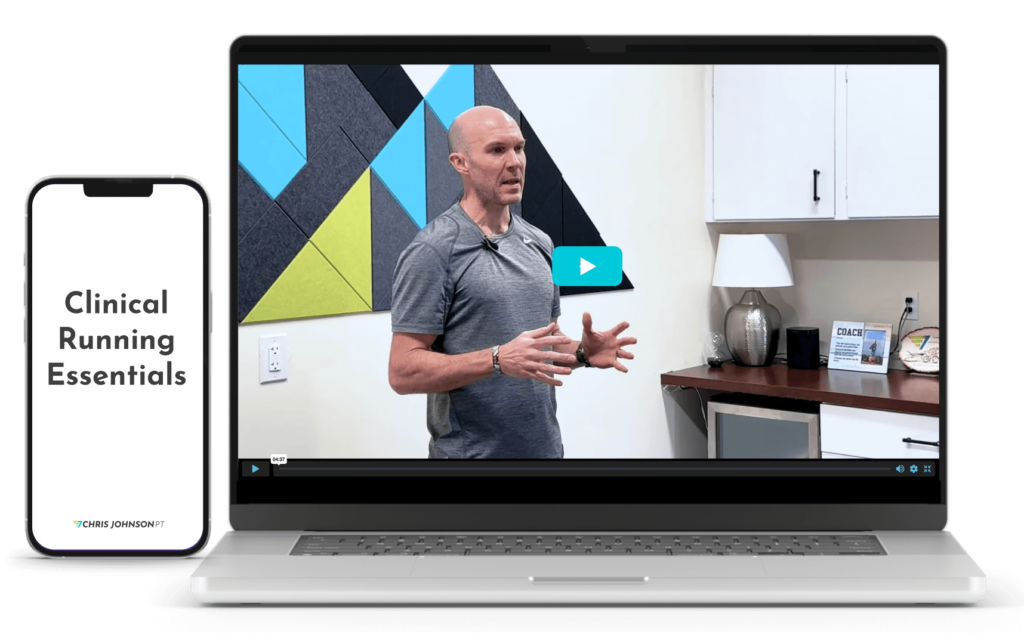
In this Clinical Running Essentials sample clip, I explore how motivational interviewing (MI) principles help move athletes from passive compliance to active ownership... where real change happens. Not through shockwave. Not via overpriced PRP. But through alliance and exercising restraint in the urge to fix.
In this lesson, I share one of my most important learnings from Edgar Schein, who helps us rethink how relationships work in healthcare. Our goal is always to move from Level 1 (transactional) to Level 2 (relational) connections, as this is where trust lives and we can finally get somewhere together.
MI isn't just a counseling framework. It's a performance tool. It's how we build better, more durable athletes. It's how we stop handing runners a to-do list—and start helping them chart their own course. Or, as my friend Steve Makofsky says: it's how we help them "own their shit."
 2:33Excerpt 1 · Running analysisDecoding a Runner's Signature
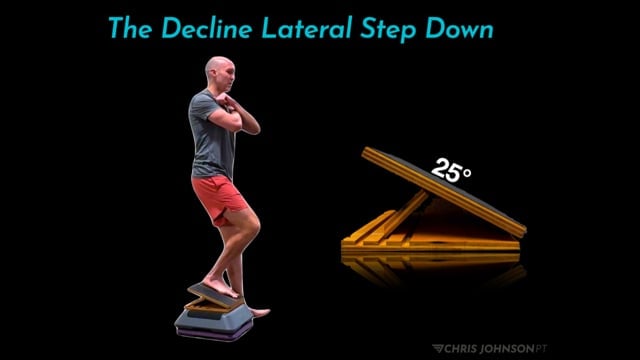 1:22Excerpt 2 · Clinical examAssessing Patellar Tendinopathy: The Step-Down
 6:20Excerpt 3 · Knee OAKnee OA in Runners
 3:44Excerpt 4 · TendinopathyTendons Don't Need Tiptoeing
 4:04Excerpt 5 · Bone stress injuriesBone Stress Injuries: Treat the Runner
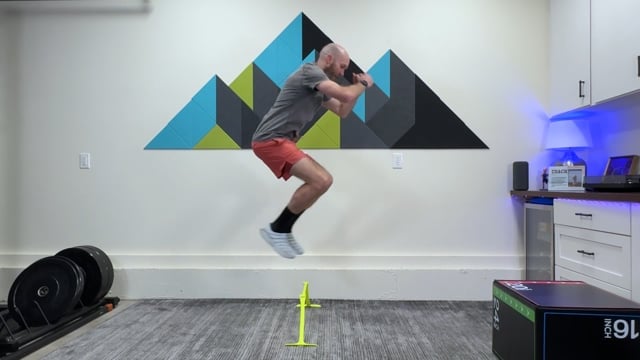 4:08Excerpt 6 · Strength & plyometricsCounterintuitive Plyo Programming
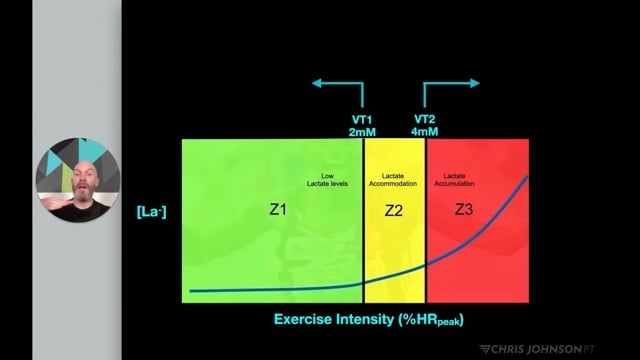 4:21Excerpt 7 · Run programmingTraining Zones: Lactate, RPE & Heart Rate
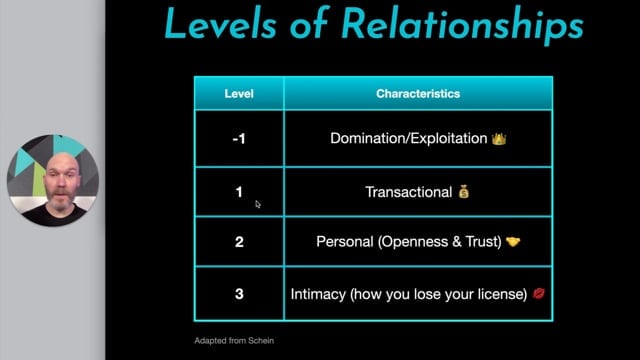 3:32Now watchingExcerpt 8 · Talking to runnersTalking to Runners
 Taught by Chris Johnson, PT
Confidently treat runners with bone stress injuries, lower limb tendinopathy, and movement dysfunction using proven strategies for assessment, rehab, and performance.
“This offers a refreshing perspective on working with runners. I appreciated the thorough detail Chris provided when teaching softer skills for interacting with our patients. The content covers everything from bones and tendons to exercise progression. Definitely worth a look!”
“Learning to navigate the good, the bad, and the ugly parts of running injury and performance is a daunting task, but Chris somehow has found a way to put it all in one spot. Chris is knowledgeable, entertaining, and will always circle back to treating the person in front of you.”