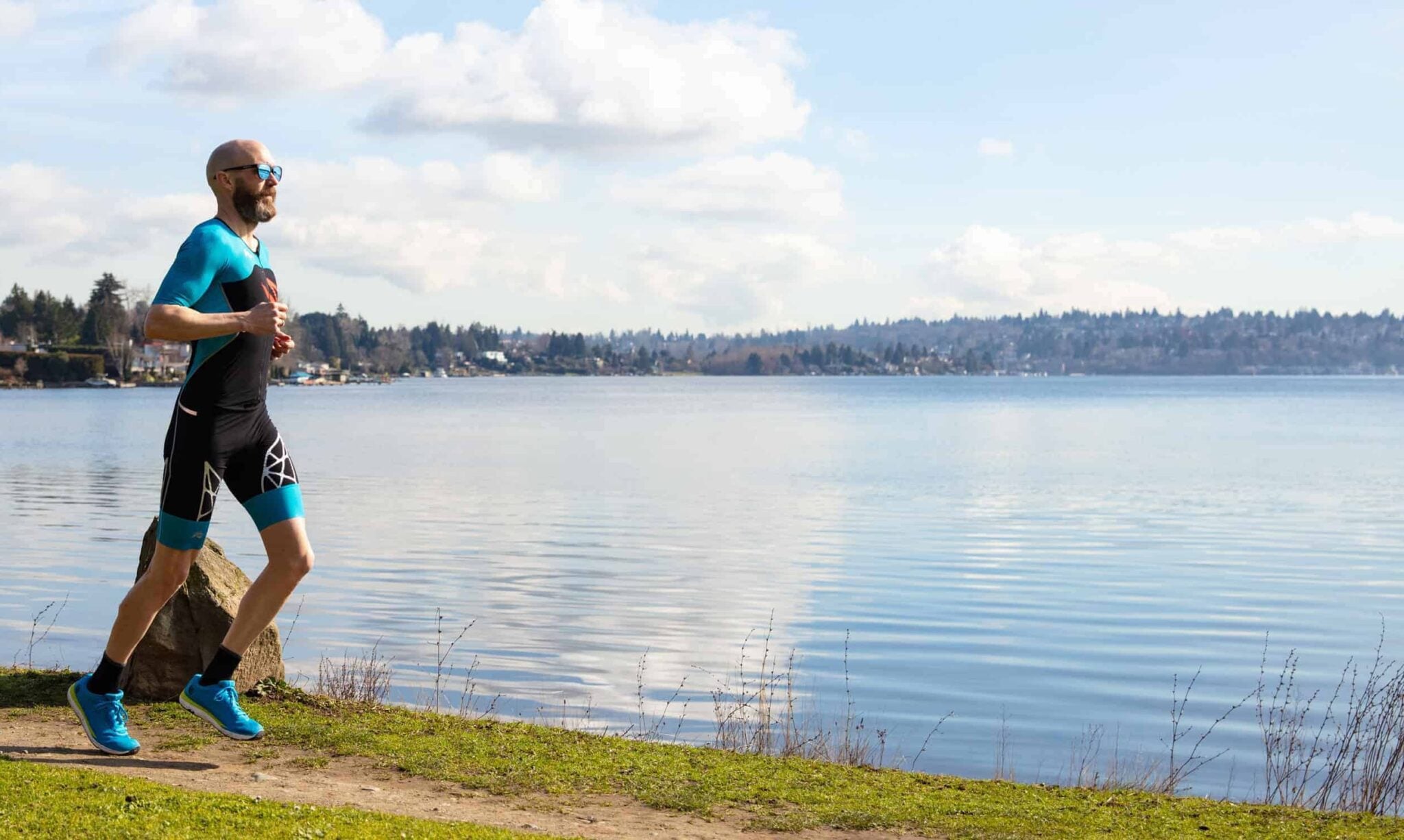
Chris Johnson running along a lake

Hi. I’m Chris.

Physical therapist, coach, author, teacher, consultant, and multiple-time Kona qualifier.

My aim is to be a resource for athletes who are passionate about running and triathlon. If you are novice or world-class, my goal is to give you practical and actionable info to help you improve.

As an athlete, you face highs and lows. It’s the norm! Sometimes life flows and all systems are GO! Greenlight! Time to push towards the “pointy end of sharp.” In other cases, it seems like you can’t get out of your own way. Your training and performance suffer. Or even worse, you end up sidelined from training due to pain, injury, and/or illness. As an athlete, it’s essential that we’re in harmony with our narrative and motivation to train while respecting our ecosystem.

If there’s one thing I’ve learned at this point in my professional and athletic career, it’s that life has a funny way of “periodizing” your training. If you can establish consistent training, fantastic! Other times you need to bob and weave based on what life throws at you. Stay the course, make good decisions and good things are bound to happen.

Sport has always been a part of my existence.

It’s helped propel me forward in life while also providing an escape. On the surface, most people thought I had a picturesque childhood and adolescence.

I don’t know about you, but my success in life has been predicated on sports. Hard work, showing up, and realizing it ain’t always going to be pretty. I’ll be the first to tell you that what we see on the surface is not necessarily the reality.

For me, sport was a safe haven and a rescue. Like many people, I internalized my struggles and turned to sports as a refuge. This was a double-edged sword.

I was a stellar athlete, but sports were the only thing keeping my psycho-emotional well-being together. Fragile? Yes! Maybe you can relate?

The gift from all of this was that I was forced to reflect on my situation. It dawned on me that there are a lot of moving parts. Go figure! Sure, there were the physical loads, but there was a hell of a lot more to unpack.

(Un)Fortunately, I incurred a litany of injuries during the early part of my career. Talk about an ecosystem being out of whack! I was overtraining, under-fueling, and treating sport as a coping strategy. I’d extend training sessions to avoid plugging back into reality. Going from swim practice to four hours of tennis to baseball, followed by BMXing til dusk, was the norm. Nothing like having four surgeries and a slew of injuries in a 5 year period before I started to get the memo.

Somehow, I always seemed to land myself in the hands of incredible rehab professionals. I thank my Mom for always being an advocate. What made these people special was not their clinical expertise (that was a given). It was their care and concern for me as a person outside of sport. Sure they helped me get back to athletics at a higher level. Of greater importance, they helped broaden my identity. Through enduring these injuries, I developed an unwavering trust in my body and being. I also learned a lot about myself outside of sport. This is when the magic started to happen.

Unbeknownst to me, these experiences spawned my career.

While it may sound extreme, it would be remiss of me not to share my story. I appreciate that others have gone through similar situations, if not worse. You are not alone! My struggles were the furthest thing from a curse. They were a blessing!

These days, it’s an honor and privilege to function in the capacity of a clinician, coach, and mentor. To know that I’m in a position to have an impact on others like the amazing professionals who looked after me. There’s nothing that I enjoy more than helping dedicated endurance athletes like you. I’ll strive to help you view your body as a temple while respecting the backdrop of your life. Nothing’s more empowering than taking action and ownership of your situation. Safety, trust, communication, sensibility, accountability, and self-honesty are the cornerstones of my care.
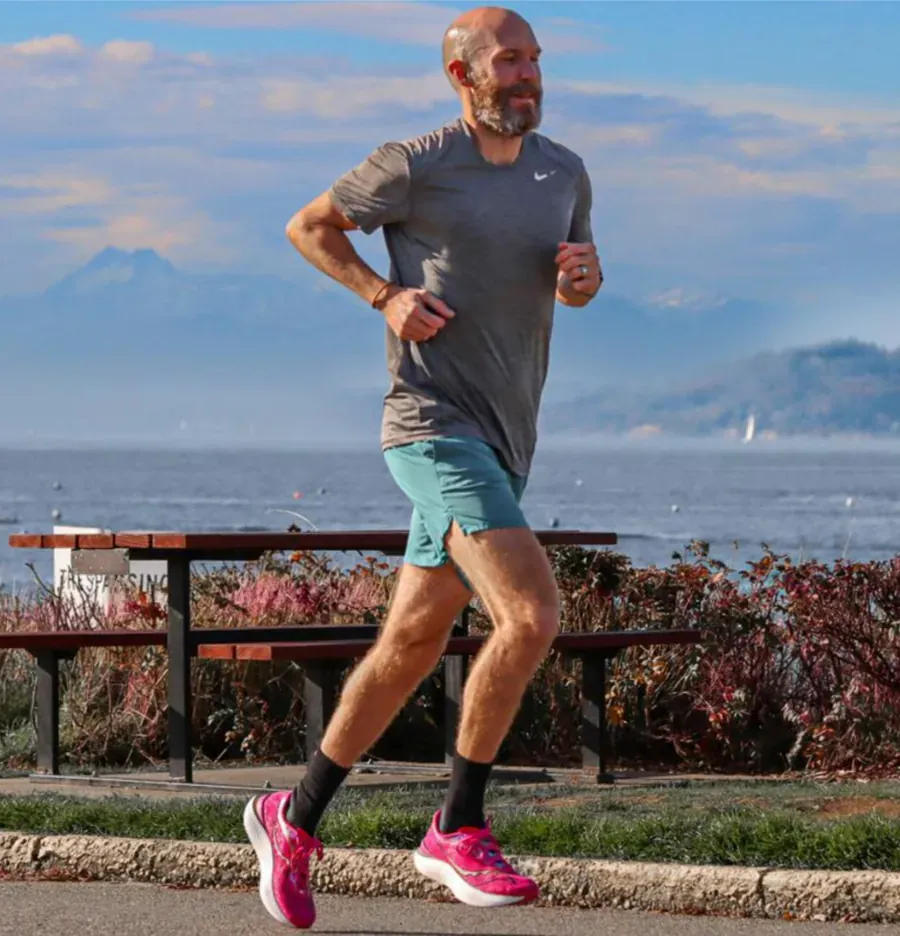
Chris Johnson running
Chris Johnson, physical therapist and coach

Philosophy

It’s essential to approach every athlete on an individualized basis. To understand their unique ecosystem and motivation to train. Sound care and coaching involve engagement, transparency, and feedback. We must also appreciate the enduring impact of our words and actions. Ensuring athlete buy-in and confidence in the plan and systems engenders success. Science guides my work with athletes across the injury to performance spectrum. I prioritize safety as well as ongoing monitoring and testing.

The athletes I work with exude sportsmanship, mental toughness, grit, accountability, and an unwavering commitment to reach their best. We prioritize consistent and deliberate practice coupled with open and honest communication. The ultimate goal is to put you in the best possible position to enjoy consistent training and to “show up” on race day.

How to work with me

Whether you’re an athlete or a clinician, here’s where I can help.

Physical therapy

If you live in the greater Seattle area and are sidelined from training due to pain or injury, let’s connect in person.

Endurance coaching

Coaching for runners and triathletes through Alchemy Endurance, from consistent training to race day.

Training guides

My downloadable guides and training plans: half marathon and 5k programs to finish, PR or podium, with strength work built in.

Clinical Running Essentials

My self-paced online course for clinicians who treat runners: bone stress injuries, tendinopathy, performance testing and return to run. Approved for CEUs for PTs.

The Runner’s Zone

My membership for clinicians and coaches who work with runners.

Live workshops

In-person workshops on bones, tendons, strength and running. Interested in hosting one? Get in touch.

Professional CV

  • 2016 – presentCEO & Co-Founder, RunCadence LLC, Seattle, WA
  • 2014 – presentOwner, Zeren PT LLC, Seattle, WA
  • 2013 – 2014Physical Therapist, Olympic Physical Therapy, Bellevue, WA
  • 2010 – 2013Owner, Chris Johnson PT PLLC, New York, NY
  • 2010 – 2012Triathlon Coach, TriLatino Triathlon Organization, New York, NY
  • 2003 – 2010Senior Physical Therapist / Research Assistant, Nicholas Institute of Sports Medicine & Athletic Trauma, Lenox Hill Hospital, New York, NY
  • 2003 – 2012Medical Consultant, New York Rangers
  • 2007 – 2013Adjunct Instructor, Department of Physical Therapy, New York University, New York, NY
  • 1998 – 2002Graduate Sports/Orthopedic Fellowship, First State Orthopedics, Michael J. Axe, MD, Newark, DE
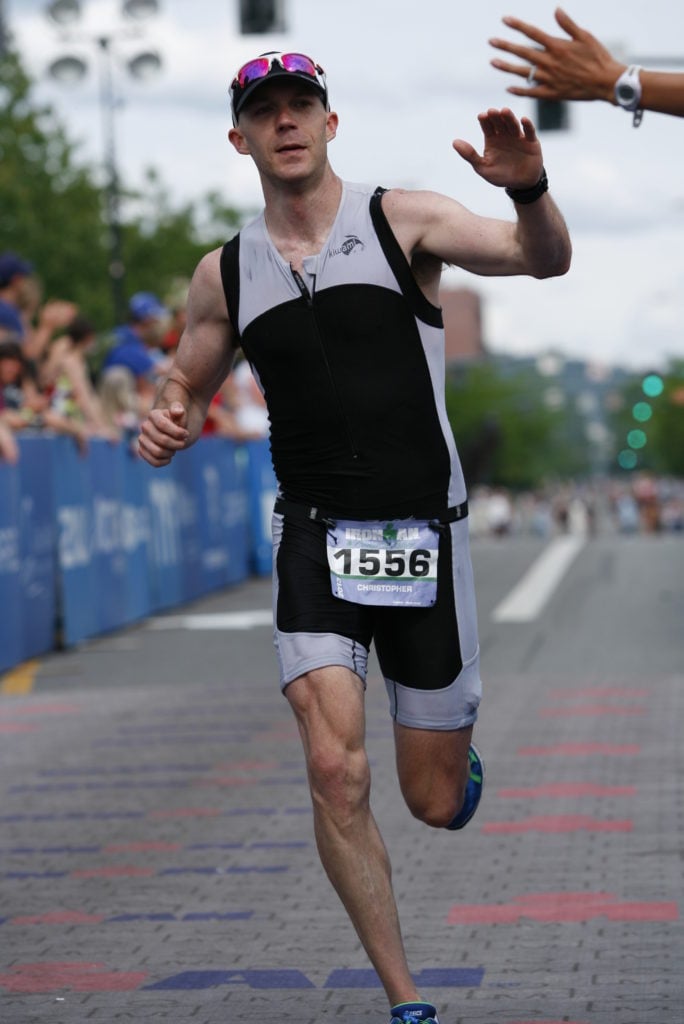
Chris Johnson high-fiving spectators at an Ironman finish
Race resume Every Ironman and Ironman 70.3 result since 2009

Ironman

  • 2020Ironman Canada: cancelled (COVID-19)
  • 2019Kona Ironman World Championships: DNF
  • 2019Ironman Canada: 9:43 (2nd AG, 2nd fastest bike & run)
  • 2018Bike crash, clavicle fracture: no racing
  • 2014Kona Ironman World Championships: 10:02
  • 2014Ironman Canada: 9:48 (Kona slot)
  • 2013Kona Ironman World Championships: 9:52:19
  • 2013Ironman Coeur d’Alene: 9:35:30 (Kona slot)
  • 2012Ironman St. George
  • 2011Ironman Louisville: 9:42
  • 2010Ironman Canada: 10:30
  • 2009Ironman Tempe: 11:23

Ironman 70.3

  • 2019Coeur d’Alene: 4:28 (2nd AG, 1:20 run off the bike)
  • 2017Victoria 70.3: 4:27 (2nd AG with draft penalty)
  • 2016Victoria 70.3: 4:15 (1st AG)
  • 2015Lake Stevens 70.3: 4:28 (overall winner)
  • 2015Victoria 70.3: 4:26 (1st AG)
  • 2014Lake Stevens 70.3: 4:31 (1st AG)
  • 2014St. George 70.3: 4:38
  • 201370.3 World Championships: 4:45:06
  • 2013Lake Stevens 70.3: 4:32:38
  • 2012Poconos Mountains 70.3: 4:26:46 (1st AG)
  • 2012EagleMan 70.3: 4:29:24
  • 2011San Juan, Puerto Rico 70.3
  • 201070.3 World Championships: 4:28
  • 2010Florida 70.3
Publications & presentations Papers, book chapter, keynotes and invited talks
  • University of Virginia Running Medicine Conference, March 2020. Keynote Speaker: Demystifying Treadmill Analysis & When Can I Run?
  • Mountain Land Running Summit, Park City, UT, Sept 2019. Keynote Presenter: Physical Performance Tests to Assess Readiness to Run & Orthopedic Examination and Its Impact on Resistance Training Prescription.
  • Clinical Care of the Runner, 1st Edition. Assessment, Biomechanical Principles, and Injury Management. Author of Chapter 2, Training Principles. Editor: Mark Harrast.
  • Fukunaga T, Johnson CD, Nicholas SJ, McHugh MP. Muscle hypotrophy, not inhibition, is responsible for quadriceps weakness during rehabilitation after anterior cruciate ligament reconstruction. Knee Surg Sports Traumatol Arthrosc. 2019;27(2):573-579.
  • McHugh MP, Nicholas SJ, Lee SJ, Mullaney MJ, Tyler TF, Fukunaga T, Johnson CD. Functional Outcomes after Double Row versus Single Row Repair. Orthopedic Journal of Sports Medicine 2016 (in press).
  • Nicholas SJ, Lee SJ, Mullaney MJ, Tyler TF, Johnson CD, Fukunaga T, McHugh MP. Functional Outcomes after Double Row Versus Single Row Rotator Cuff Repair: A Prospective Randomized Trial. AOSSM Annual Meeting, Orlando, FL.
  • University of Puget Sound. “Demystifying Treadmill Analysis for Medical & Fitness Professionals: The Four S’s of Treadmill Analysis.” Invited Speaker, Apr 2016.
  • Fukunaga T, Gellert JM, Johnson CD, Nicholas SJ, McHugh MP. To what extent is weakness after anterior cruciate ligament reconstruction due to impaired central activation as opposed to peripheral muscle atrophy? APTA Combined Sections Meeting, Las Vegas, NV, 2014.
  • McHugh MP, Tallent J, Johnson CD. The Role of Neural Tension in Stretch-Induced Strength Loss. J Strength Cond Res. 2013.
  • McHugh MP, Johnson CD, Morrison RH. The role of neural tension in hamstring flexibility. Scand J Med Sci Sports. 2012;22(2):164-9.
  • Schachter AK, McHugh MP, Tyler TF, Kremenic IJ, Orishimo KF, Johnson CD, Ben-Avi S, Nicholas SJ. Electromyographic activity of selected scapular stabilizers during glenohumeral internal and external rotation contractions. J Shoulder Elbow Surg. 2010;19(6):884-90.
  • Mullaney MJ, Johnson CD, Tyler TF, Banz JA, McHugh MP. Absolute and relative reliability of shoulder range of motion measurements. Physiotherapy Theory and Practice 2010;26(5):327-33.
  • Johnson CD, Morrison RH, McHugh MP. The Role of Neural Tension in Hamstring Flexibility. ACSM Annual Meeting, Seattle, WA, May 2009.
  • Tyler TF, Johnson CD, Jenkins WL. Rehabilitation following osteochondral injury to the knee. Orthopedic Knowledge Update: Sports Medicine 4. W. Ben Kibler, 2009.
  • Schachter AK, McHugh MP, Kremenic IJ, Orishimo KF, Tyler TF, Johnson CD, Ben-Avi S, Nicholas SJ. The contribution of the scapular stabilizers to glenohumeral rotation. Eastern Orthopaedic Association 39th Annual Meeting, Las Vegas, NV, Oct 2008.
  • Johnson CD, Mullaney MJ, McHugh MP. Forward shoulder posture and associated posterior capsule tightness. APTA Combined Sections Meeting, Boston, MA, 2007.
  • Johnson CD, McHugh MP, Wood T, Kibler WB. Performance demands of professional male tennis players. Br J Sports Med 2006;40(8):696-9.
  • Stackhouse SK, Stevens JE, Johnson CD, Snyder-Mackler L, Binder-Macleod SA. Predictability of maximum voluntary isometric knee extension force from submaximal contractions in older adults. Muscle & Nerve 2003;27(1):40-5.
  • Chmielewski T, Johnson CD, Stackhouse SK, Snyder-Mackler L. Predictability of maximum voluntary contractions of the quadriceps in patients who are ACL deficient. Poster, ACSM Annual Meeting, Indianapolis, IN, May 2002.

Let me help you reach your best in sport and life

This might not be easy but once you trust in yourself the stage is set for success so long as you keep showing up!