
Live Events
Online Courses
Courses
 Clinical Running EssentialsSelf-paced, 20+ hours, CEU‑approved.View course Clinical Running EssentialsSelf-paced, 20+ hours, CEU‑approved.View course
"As much as the orthopedic community likes to treat the knee as this fragile hinge joint, nothing is further from the case. The knee is built for load."
That line captures a belief I hold strongly — and one I think our profession needs to hear more often.
When a runner walks in after being told they're "bone on bone," they've usually already been handed a narrative that running is the problem and stopping is the solution. But the story is rarely that simple.
OA is a clinical diagnosis. You can use imaging to support it, but it does not define it. And when we reduce a complex human being to a single image and a scary label, we set them up for fear, avoidance, and a retreat from the very loading that was keeping them healthy.
In this clip from the new Knee OA module inside Clinical Running Essentials, I walk through:
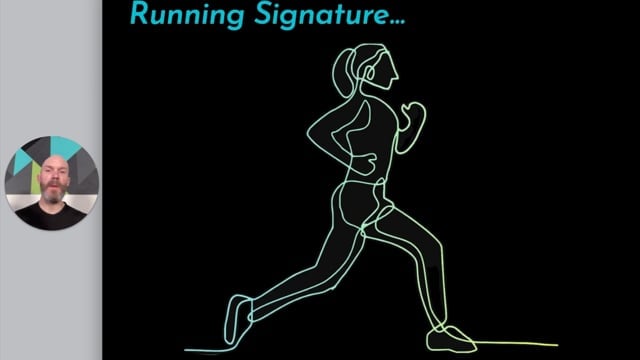 2:33Excerpt 1 · Running analysisDecoding a Runner's Signature
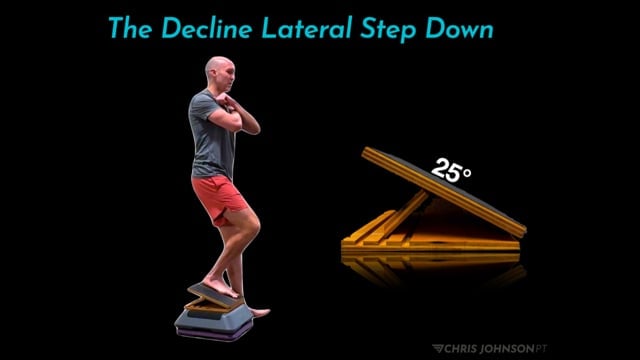 1:22Excerpt 2 · Clinical examAssessing Patellar Tendinopathy: The Step-Down
 6:20Now watchingExcerpt 3 · Knee OAKnee OA in Runners
 3:44Up nextExcerpt 4 · TendinopathyTendons Don't Need Tiptoeing
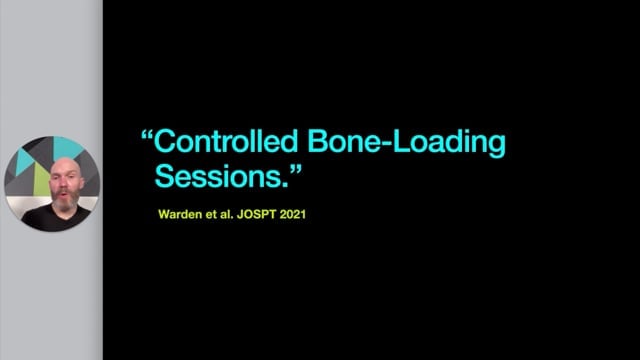 4:04Excerpt 5 · Bone stress injuriesBone Stress Injuries: Treat the Runner
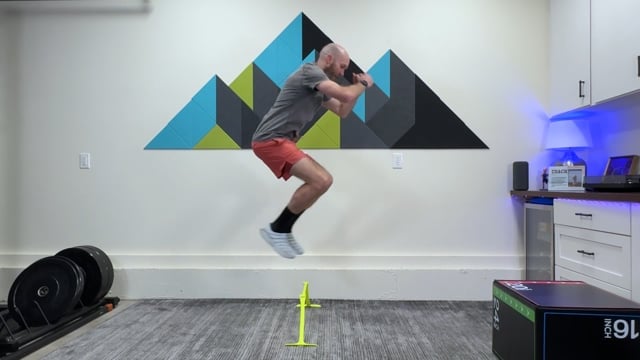 4:08Excerpt 6 · Strength & plyometricsCounterintuitive Plyo Programming
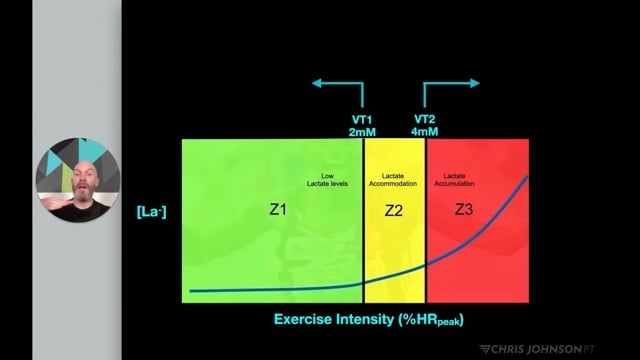 4:21Excerpt 7 · Run programmingTraining Zones: Lactate, RPE & Heart Rate
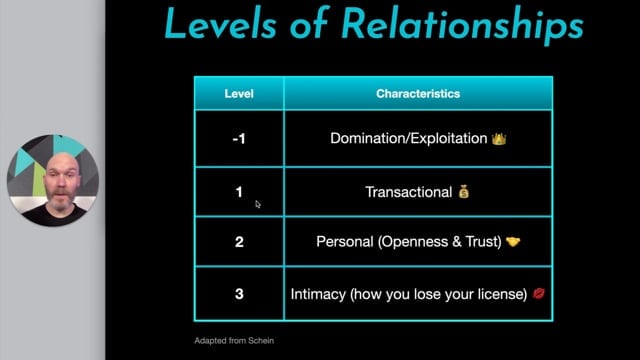 3:32Excerpt 8 · Talking to runnersTalking to Runners
 Taught by Chris Johnson, PT
Confidently treat runners with bone stress injuries, lower limb tendinopathy, and movement dysfunction using proven strategies for assessment, rehab, and performance.

“Chris' course gives a lifetime of pearls and clinical insight into what is commonly and uncommonly seen in runners. The course takes a whole-person perspective into things to watch out for as well as approaches to encouraging and coaching people through injury and return to run.”
“In depth review of running related injuries with immediate clinical application. Would highly recommend for any clinicians working with runners in any capacity.”