
Live Events
Online Courses
Courses
 Clinical Running EssentialsSelf-paced, 20+ hours, CEU‑approved.View course Clinical Running EssentialsSelf-paced, 20+ hours, CEU‑approved.View course
Runners love talking zones but often lack a clear sense of what's happening physiologically or why it matters.
In this clip from the Demystifying Programming module, I discuss how I think about training intensity using lactate behavior, RPE, and heart rate, especially when working with distance runners.
This clip is from the Run Programming & Testing module inside Clinical Running Essentials, where I unpack:
📈 The curvilinear nature of RPE
🧪 What's really going on with lactate in Zones 1, 2, and 3
🧠 Why Zone 1 isn't "junk mileage," but rather mentally liberating and metabolically gold
🎧 What I mean by "podcast pace" (and when I use it)
❤️🔥 Why chest straps > wrist sensors for heart rate accuracy
🏃♂️ How I anchor intensities and use autoregulation to simplify programming that gets results
If you work with endurance athletes, especially runners who tend to overdo it, this framework will help you keep things clear, grounded, and practical.
To truly help runners, you need to understand sound training principles. That means knowing how to audit a runner's program... something that's often overlooked and a major reason injuries keep returning.
Don't assume every coach is programming with care. You need to be the second set of eyes. That's precisely why I made sure to include this module as a cornerstone of the course. Enjoy!
 2:33Excerpt 1 · Running analysisDecoding a Runner's Signature
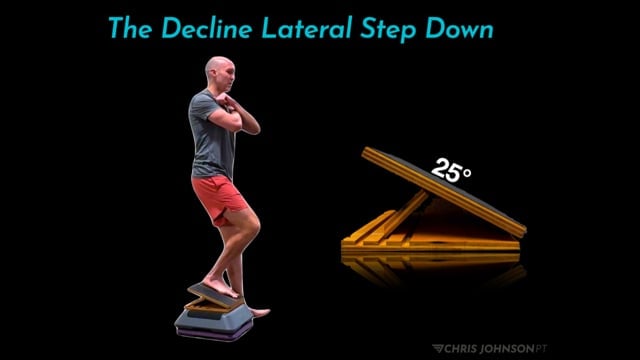 1:22Excerpt 2 · Clinical examAssessing Patellar Tendinopathy: The Step-Down
 6:20Excerpt 3 · Knee OAKnee OA in Runners
 3:44Excerpt 4 · TendinopathyTendons Don't Need Tiptoeing
 4:04Excerpt 5 · Bone stress injuriesBone Stress Injuries: Treat the Runner
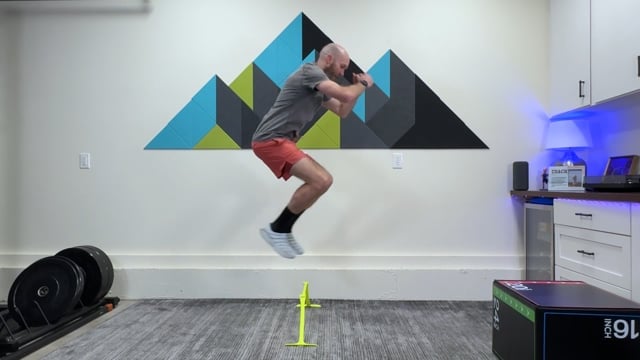 4:08Excerpt 6 · Strength & plyometricsCounterintuitive Plyo Programming
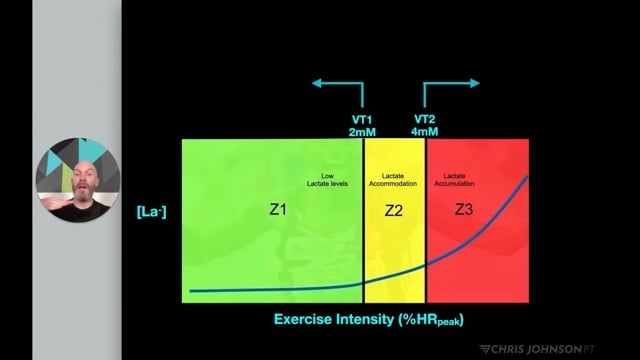 4:21Now watchingExcerpt 7 · Run programmingTraining Zones: Lactate, RPE & Heart Rate
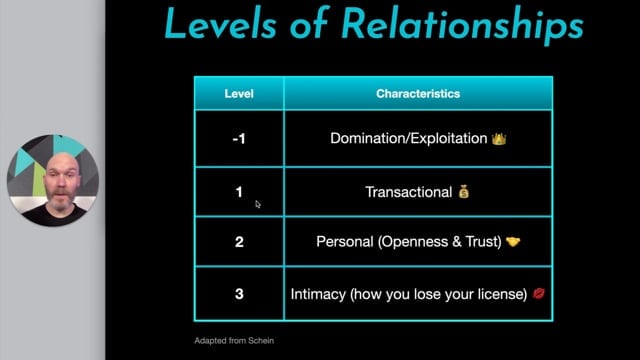 3:32Up nextExcerpt 8 · Talking to runnersTalking to Runners
 Taught by Chris Johnson, PT
Confidently treat runners with bone stress injuries, lower limb tendinopathy, and movement dysfunction using proven strategies for assessment, rehab, and performance.

“This course enables confidence from start to finish with a runner’s rehab, particularly for those complex cases/ injuries where an athlete’s season and or career may be on the line.”
“Clinical Running Essentials has given me a better understanding of what to focus on when it comes to guiding runners through injury and return to sport. Chris is so generous with his knowledge and grateful to learn from him.”