
Live Events
Online Courses
Courses
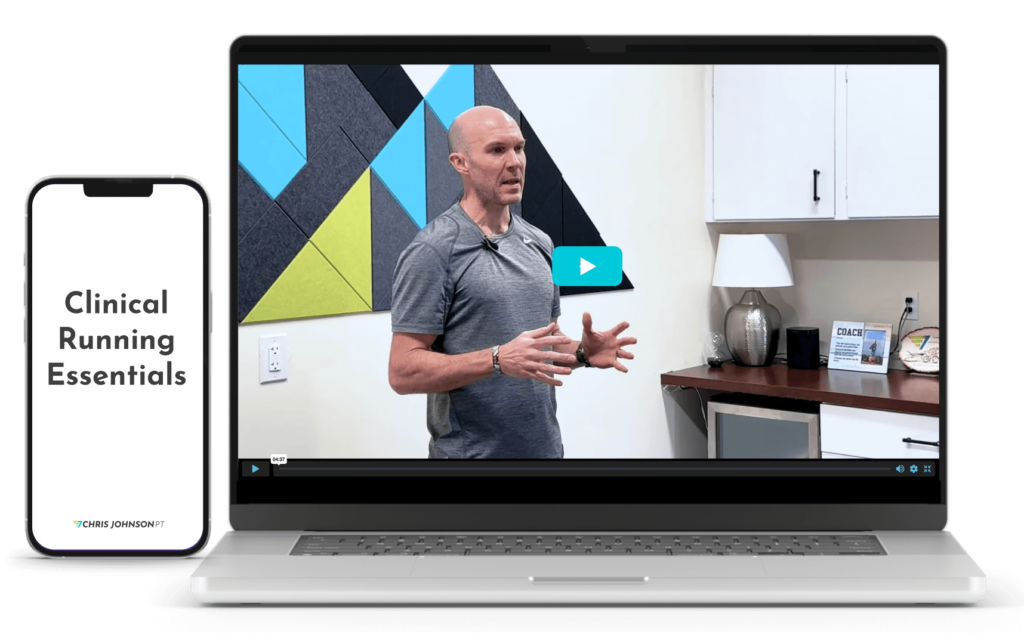
 Clinical Running EssentialsSelf-paced, 20+ hours, CEU‑approved.View course Clinical Running EssentialsSelf-paced, 20+ hours, CEU‑approved.View course
"I consult a lot of runners who have entered the medical system, and no one has ever taken the time to watch them run."
That's a problem. And it's more common than it should be.
If an overhead athlete walked into your clinic with a throwing injury, you'd watch them throw. But with runners, we routinely skip the most important assessment — actually observing them run — and jump straight to the table, the imaging, and the exercise prescription.
Running is a hierarchical skill. You can give someone hip strengthening exercises and neuromuscular re-ed drills, and their single leg squat may improve — but as Rich Willy and Irene Davis showed, that doesn't carry over to running. The only way to understand a runner is to watch them run.
That's what this module is about. Not "form." Their signature — a movement fingerprint that tells you more than any MRI.
In this clip from the Decoding a Runner's Signature module inside Clinical Running Essentials, I walk through:
In the full module, you'll also master the "S's of Treadmill Analysis" (Strike, Step Rate, Sound, Symmetry, Shank, and more), learn how to combine qualitative observation with Runeasi metrics, get clarity on foot strike patterns and why heel striking isn't the villain it's made out to be, and practice delivering external cues that drive lasting motor learning.
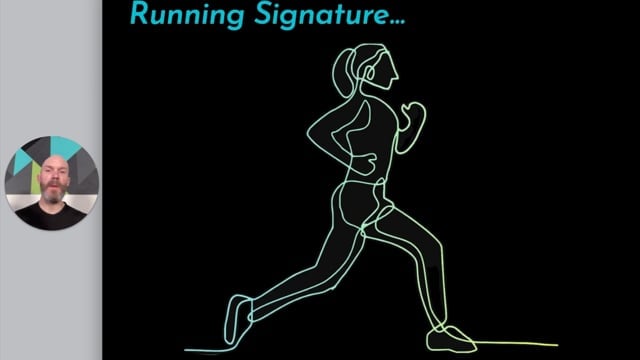 2:33Now watchingExcerpt 1 · Running analysisDecoding a Runner's Signature
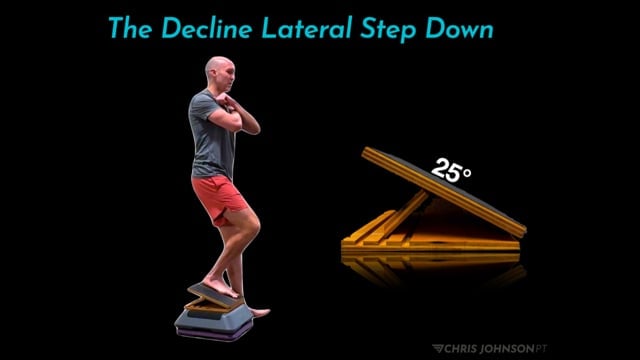 1:22Up nextExcerpt 2 · Clinical examAssessing Patellar Tendinopathy: The Step-Down
 6:20Excerpt 3 · Knee OAKnee OA in Runners
 3:44Excerpt 4 · TendinopathyTendons Don't Need Tiptoeing
 4:04Excerpt 5 · Bone stress injuriesBone Stress Injuries: Treat the Runner
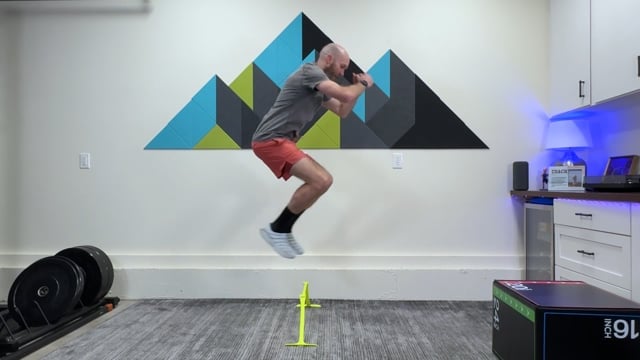 4:08Excerpt 6 · Strength & plyometricsCounterintuitive Plyo Programming
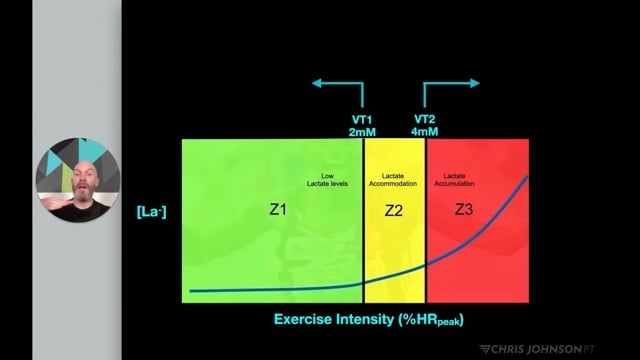 4:21Excerpt 7 · Run programmingTraining Zones: Lactate, RPE & Heart Rate
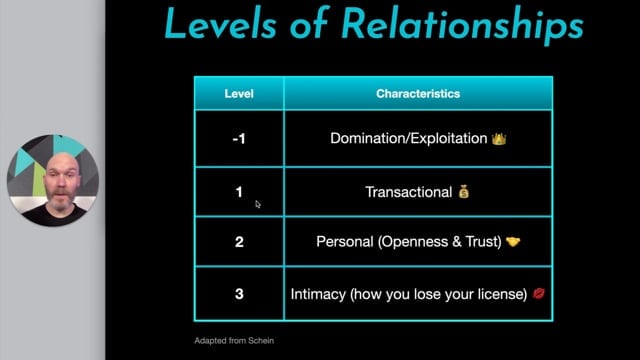 3:32Excerpt 8 · Talking to runnersTalking to Runners
 Taught by Chris Johnson, PT
Confidently treat runners with bone stress injuries, lower limb tendinopathy, and movement dysfunction using proven strategies for assessment, rehab, and performance.
“As a relatively younger clinician niching in working with runners, this course really helped develop my assessment skills and differential diagnoses in working with runners.”
“This course expanded my knowledge and confidence in working with runners and other patient populations by providing an excellent framework for understanding the demands of running, identifying contributing factors to injury, and developing effective, individualized treatment and rehabilitation plans.”