
Live Events
Online Courses
Courses
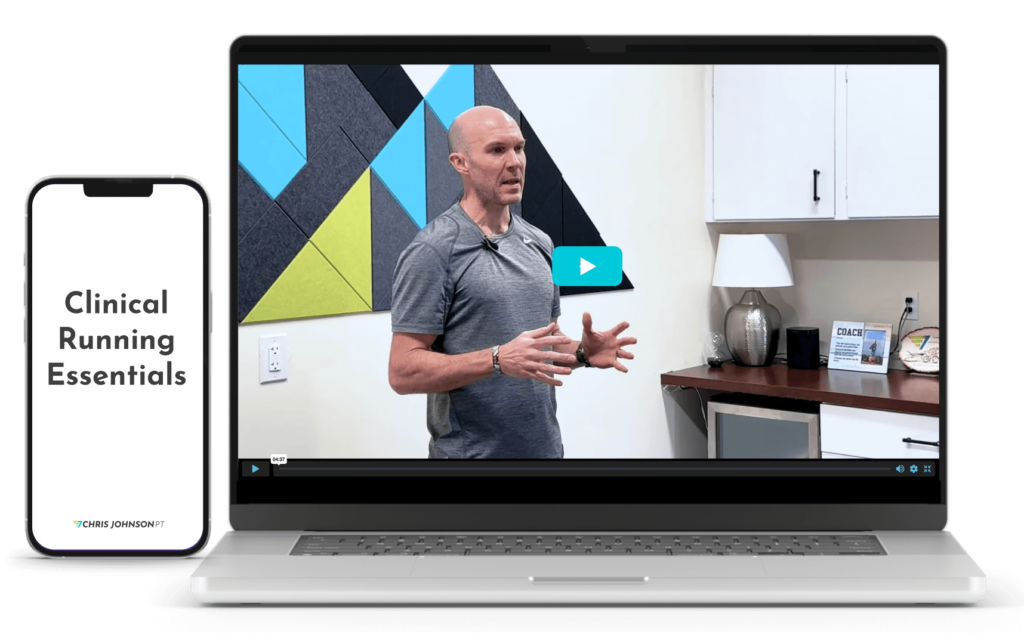
 Clinical Running EssentialsSelf-paced, 20+ hours, CEU‑approved.View course Clinical Running EssentialsSelf-paced, 20+ hours, CEU‑approved.View course
When it comes to introducing energy storage and release exercises, especially for runners prone to bone stress injuries, it's easy to assume low-level plyos like pogos or jump rope are the right starting point.
But if you've looked at the work of Charles Milgrom and others, those below-the-knee-dominant movements actually create greater tibial strain than a simple countermovement jump onto a box.
In this video, I walk through:
 2:33Excerpt 1 · Running analysisDecoding a Runner's Signature
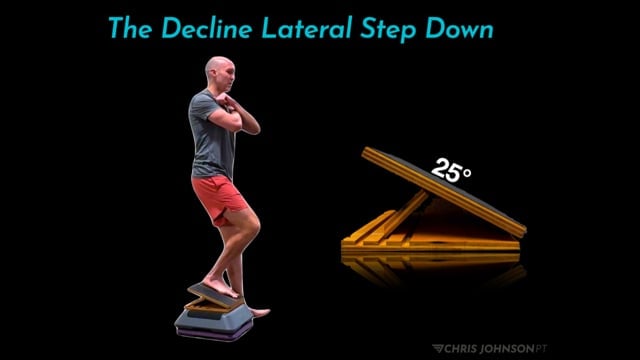 1:22Excerpt 2 · Clinical examAssessing Patellar Tendinopathy: The Step-Down
 6:20Excerpt 3 · Knee OAKnee OA in Runners
 3:44Excerpt 4 · TendinopathyTendons Don't Need Tiptoeing
 4:04Excerpt 5 · Bone stress injuriesBone Stress Injuries: Treat the Runner
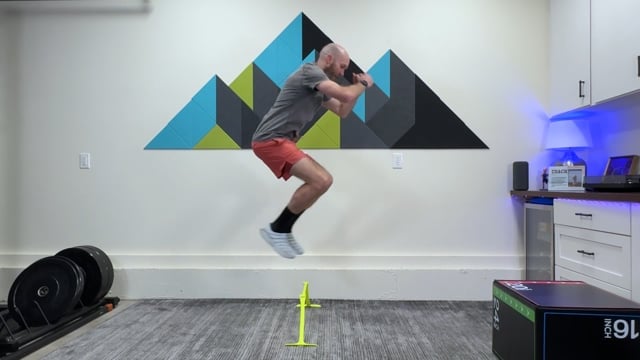 4:08Now watchingExcerpt 6 · Strength & plyometricsCounterintuitive Plyo Programming
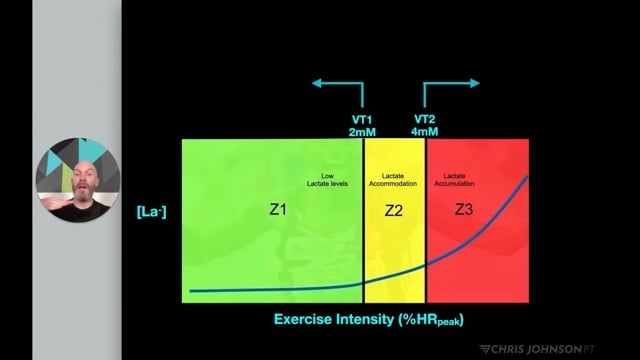 4:21Up nextExcerpt 7 · Run programmingTraining Zones: Lactate, RPE & Heart Rate
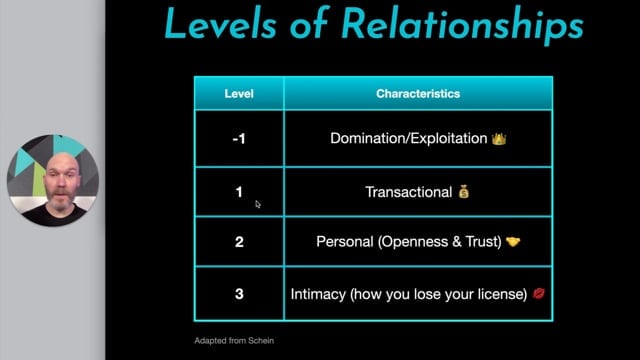 3:32Excerpt 8 · Talking to runnersTalking to Runners
 Taught by Chris Johnson, PT
Confidently treat runners with bone stress injuries, lower limb tendinopathy, and movement dysfunction using proven strategies for assessment, rehab, and performance.
“The Clinical Running Essentials Course provided me professional and personal development in the treatment of the running athlete. Broken down into modules that showed the examination, what opportunities and hiccups may arise and then a great progression of strengthening and return to running criteria.”
“I immediately began using information and techniques even before I had completed the entire course. The exercise videos are brief and extremely useful. I have referred back to topics and modules many times since completing this course. I am a PT in FL and had no trouble getting it approved for CEU’s.”