
Live Events
Online Courses
Courses
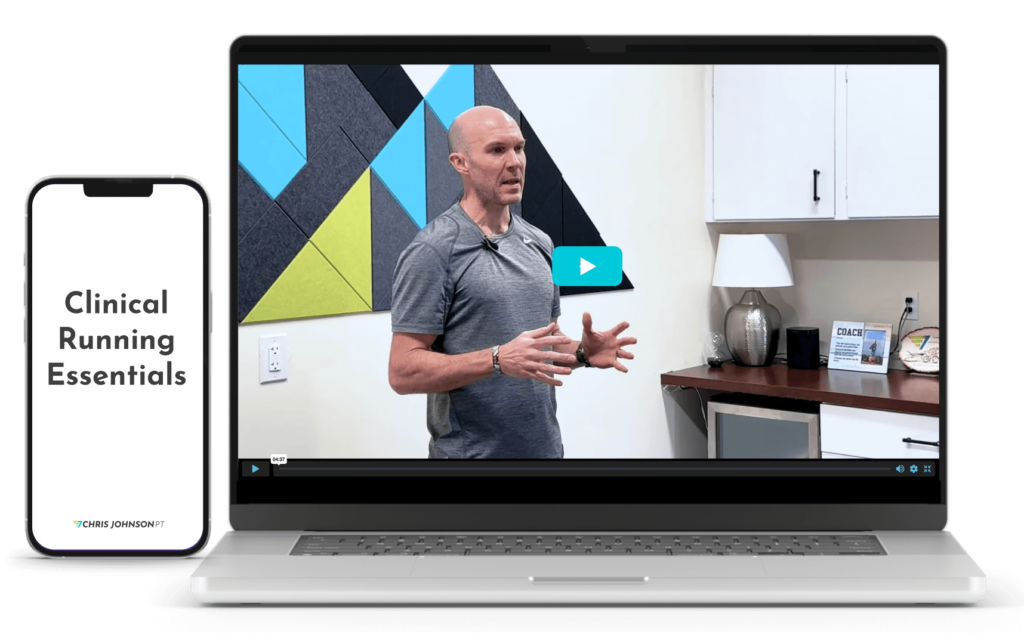
 Clinical Running EssentialsSelf-paced, 20+ hours, CEU‑approved.View course Clinical Running EssentialsSelf-paced, 20+ hours, CEU‑approved.View course
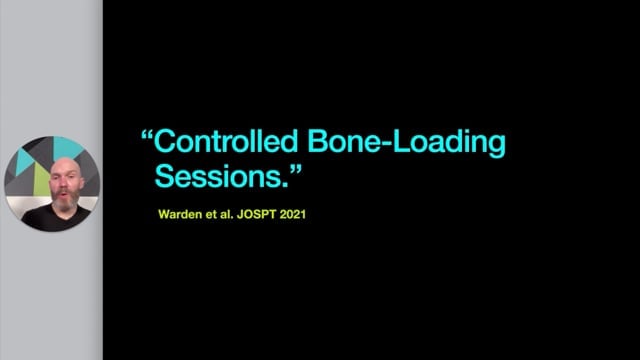
"You're not really thinking of this as training… you want to conceptualize this as controlled bone loading sessions."
That quote from a 2021 JOSPT article nails it, and it's a mindset shift every clinician needs when guiding runners back from bone stress injuries, especially in high-risk zones like the proximal femur.
In this clip from Clinical Running Essentials, I walk through my go-to framework... FDDI: Frequency, Duration, Density, Intensity — a simple yet powerful lens I use across both rehab and coaching.
You’ll learn how I:
Whether it's a metatarsal or femoral stress injury, this approach helps you avoid setbacks while nudging runners toward sustainable training.
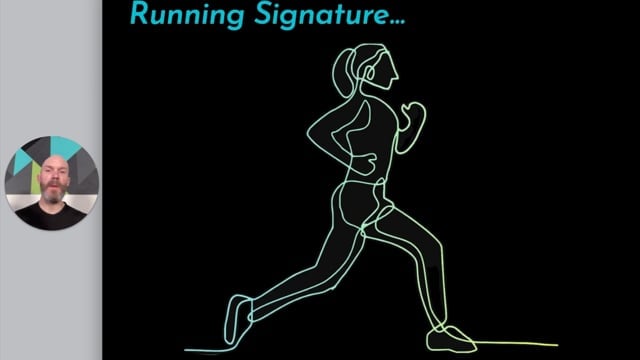 2:33Excerpt 1 · Running analysisDecoding a Runner's Signature
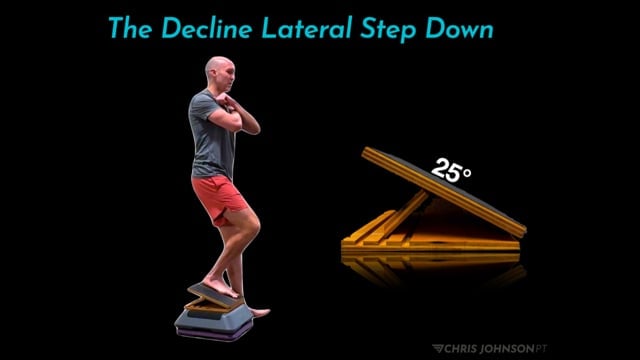 1:22Excerpt 2 · Clinical examAssessing Patellar Tendinopathy: The Step-Down
 6:20Excerpt 3 · Knee OAKnee OA in Runners
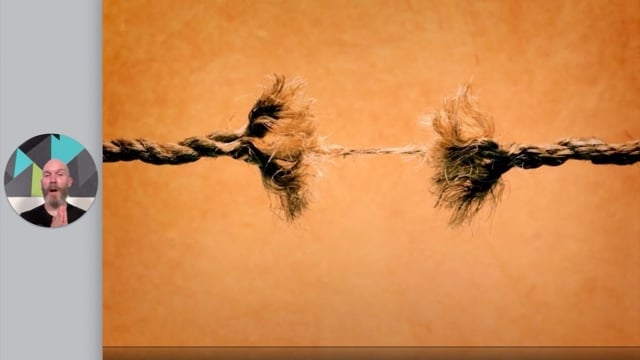 3:44Excerpt 4 · TendinopathyTendons Don't Need Tiptoeing
 4:04Now watchingExcerpt 5 · Bone stress injuriesBone Stress Injuries: Treat the Runner
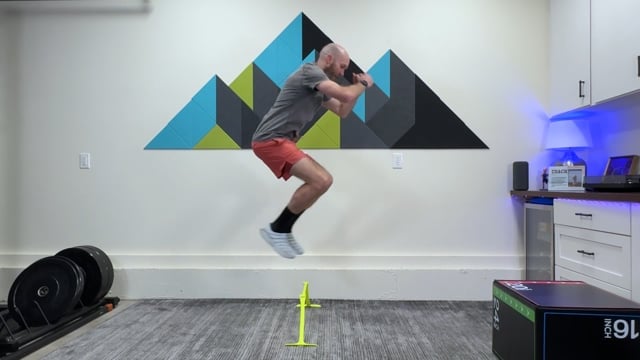 4:08Up nextExcerpt 6 · Strength & plyometricsCounterintuitive Plyo Programming
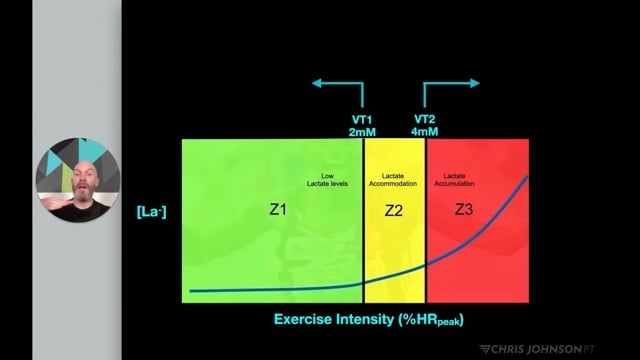 4:21Excerpt 7 · Run programmingTraining Zones: Lactate, RPE & Heart Rate
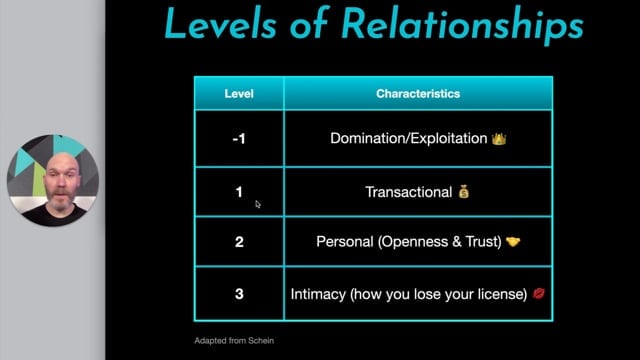 3:32Excerpt 8 · Talking to runnersTalking to Runners
 Taught by Chris Johnson, PT
Confidently treat runners with bone stress injuries, lower limb tendinopathy, and movement dysfunction using proven strategies for assessment, rehab, and performance.
“Chris seems to be someone who is looking to get it right, not be right, and his Master Class reflects that.”
“This course was fantastic. I recently had an athlete with a navicular BSI and was able to directly utilize the knowledge gained from this course to help her properly navigate her recovery and decision making process about surgical vs conservative management.”