
Live Events
Online Courses
Courses
 Clinical Running EssentialsSelf-paced, 20+ hours, CEU‑approved.View course Clinical Running EssentialsSelf-paced, 20+ hours, CEU‑approved.View course
When working with runners presenting with patellar tendinopathy, selecting assessments isolating the involved structures is critical. While the lateral step-down is a standard go-to physical performance test, it often fails to tell the whole story, particularly in runners with limited ankle dorsiflexion or who've been trained to adopt a hip flexion strategy.
In this video, I share a simple yet effective modification I use in the clinic to evaluate the knee extensor mechanism and tendon irritability.
Factors like ankle mobility can influence the traditional lateral step-down. When dorsiflexion is limited, runners tend to shift into greater hip flexion during the task, offloading the very tissue we're trying to assess.
This alternative approach removes the ankle from the equation and encourages a more upright posture while safeguarding against "sitting" into the hip. The result? A greater mechanical demand on the knee extensor mechanism, giving you a clearer picture of both:
I often use this modified step-down as a "daily load test." It helps guide my decision-making when it comes to:
It's a quick, reliable way to gather meaningful data in the clinic, especially for runners on the return-to-sport path.
This modification has greatly impacted how I assess and manage patellar tendinopathy in runners and has been instrumental in helping me overcome my own patellar tendinopathy. Give it a try, and let me know if you have any questions.
 2:33Excerpt 1 · Running analysisDecoding a Runner's Signature
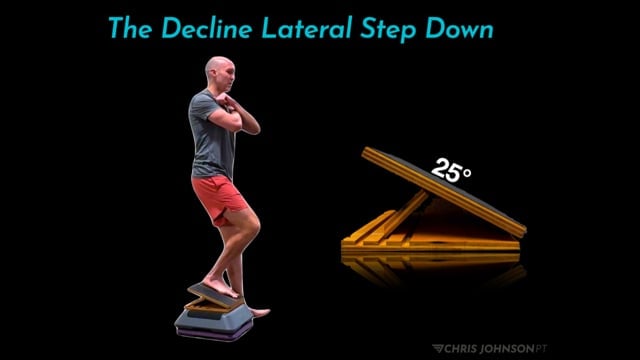 1:22Now watchingExcerpt 2 · Clinical examAssessing Patellar Tendinopathy: The Step-Down
 6:20Up nextExcerpt 3 · Knee OAKnee OA in Runners
 3:44Excerpt 4 · TendinopathyTendons Don't Need Tiptoeing
 4:04Excerpt 5 · Bone stress injuriesBone Stress Injuries: Treat the Runner
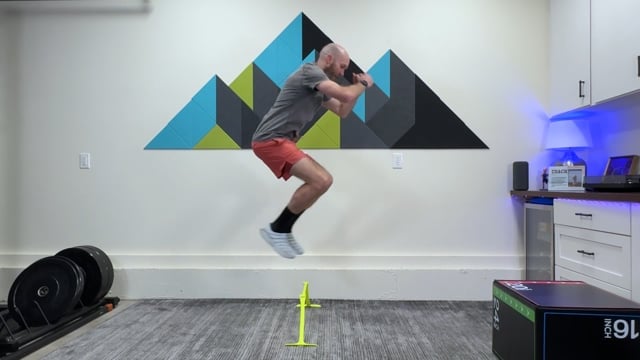 4:08Excerpt 6 · Strength & plyometricsCounterintuitive Plyo Programming
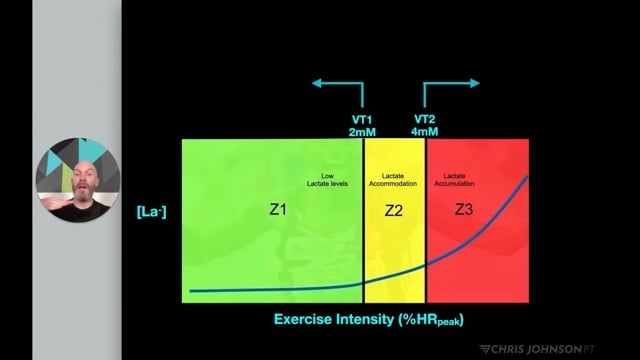 4:21Excerpt 7 · Run programmingTraining Zones: Lactate, RPE & Heart Rate
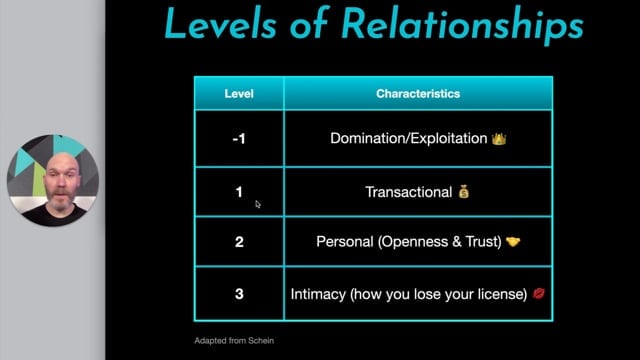 3:32Excerpt 8 · Talking to runnersTalking to Runners
 Taught by Chris Johnson, PT
Confidently treat runners with bone stress injuries, lower limb tendinopathy, and movement dysfunction using proven strategies for assessment, rehab, and performance.

“I was able to rehab a cross country runner with patella tendinopathy, in time to return to district and the state meet. The progressions were consistent and logical within the framework of the class.”
“The course streamlined my approach to treating athletes and sharpened my exam. It is a behemoth of info.”